
CROSSED WIRES: A CASE STUDY OF IRANIAN ESPIONAGE AND ATTRIBUTION

source: proofpoint.com | image: pexels.com
Key findings
- Between June and August 2025, Proofpoint began tracking a previously unidentified threat actor dubbed UNK_SmudgedSerpent targeting academics and foreign policy experts.
- UNK_SmudgedSerpent leveraged domestic political lures, including societal change in Iran and investigation into the militarization of the IRGC.
- UNK_SmudgedSerpent used benign conversation starters, health-themed infrastructure, OnlyOffice file hosting spoofs, and Remote Management & Monitoring (RMM) tools.
- Throughout the investigation, UNK_SmudgedSerpent demonstrated tactics resembling several Iranian actors: TA455 (C5 Agent, Smoke Sandstorm), TA453 (Charming Kitten, Mint Sandstorm), and TA450 (MuddyWater, Mango Sandstorm).
- Overlapping TTPs prevent high confidence attribution, but several hypotheses could explain the nature of the relationship between UNK_SmudgedSerpent and other Iranian groups.
Overview
In June, Proofpoint Threat Research began investigating a benign email discussing economic uncertainty and domestic political unrest in Iran. While coinciding with the escalations in the Iran-Israel conflict, there was no indication that the observed activity was directly correlated with Israel’s attacks on Iranian nuclear facilities or Iran’s actions in response.
Initial analysis of the activity found tactics, techniques, and procedures (TTP) overlaps with multiple Iranian aligned groups, including TA455 (C5 Agent, Smoke Sandstorm), TA453 (Mint Sandstorm, Charming Kitten), and TA450 (MuddyWater, Mango Sandstorm). Given a lack of high confidence links to any one established threat group, we designated the activity as a temporary cluster called UNK_SmudgedSerpent.
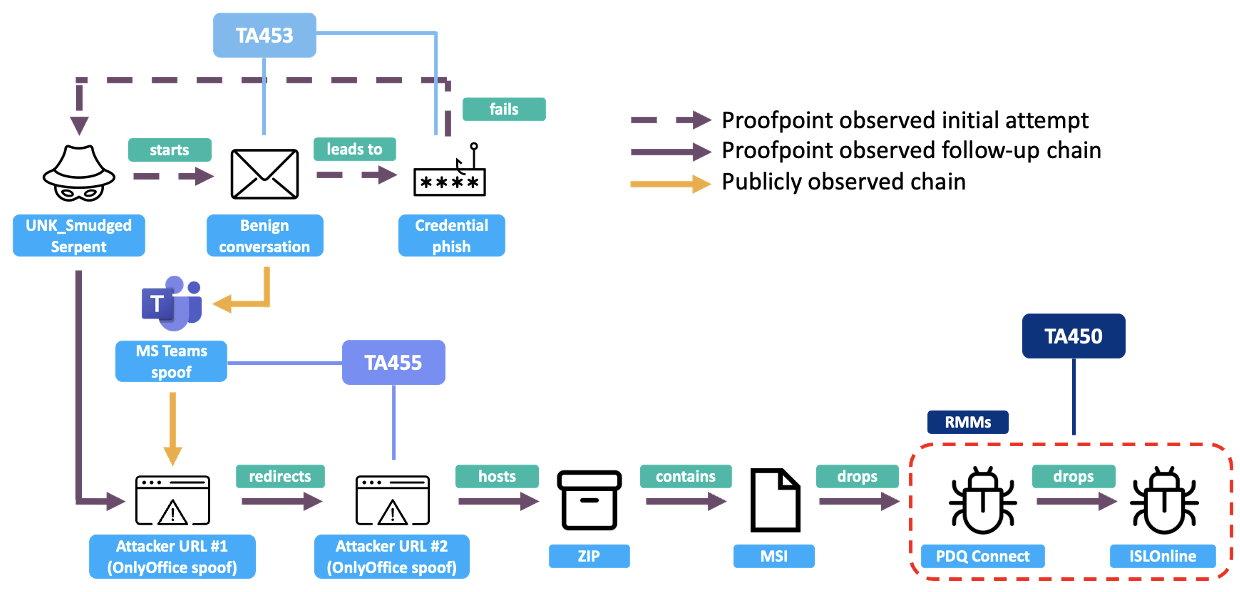
Figure 1. UNK_SmudgedSerpent infection chain with known actor overlaps.
The infection chain began with a benign conversation, followed by an email exchange and a credential harvesting attempt. After this initial credential harvesting attempt, UNK_SmudgedSerpent continued to conduct phishing activity within the same email thread with a specific target and subsequently delivered a URL that hosted an archive file with an MSI that loaded RMM payloads.
Iranian connections
Initial TA453 leads
UNK_SmudgedSerpent’s first identified campaign within Proofpoint data spoofed a member of the Brookings Institute reaching out to over 20 members of a United States-based think tank in mid-June 2025. Targeting specific subject matter experts in Iran-related policy areas is often a characteristic of TA453 activity, particularly using a benign conversation starter. However, approaching a significant number of individuals at a single organization diverges from Proofpoint Threat Research’s observations of typical TA453 techniques.
In another deviation from typical TA453 activity, members of the targeted organization focused across almost all areas of expertise including national defense, advanced technology, economic security, and global health, along with region-specific experts. TA453 primarily focuses on Middle Eastern policy topics, such as Iranian nuclear negotiations or Iran’s foreign relations. Regardless of each recipient’s expertise, UNK_SmudgedSerpent leveraged the same collaboration lure about impending Iranian societal reform.
The attackers’ approach impersonated Suzanne Maloney – the vice president and director of the Foreign Policy program at the Brookings Institution and an expert on Iran – using a Gmail address and misspelled version of her name, “Suzzane Maloney.”
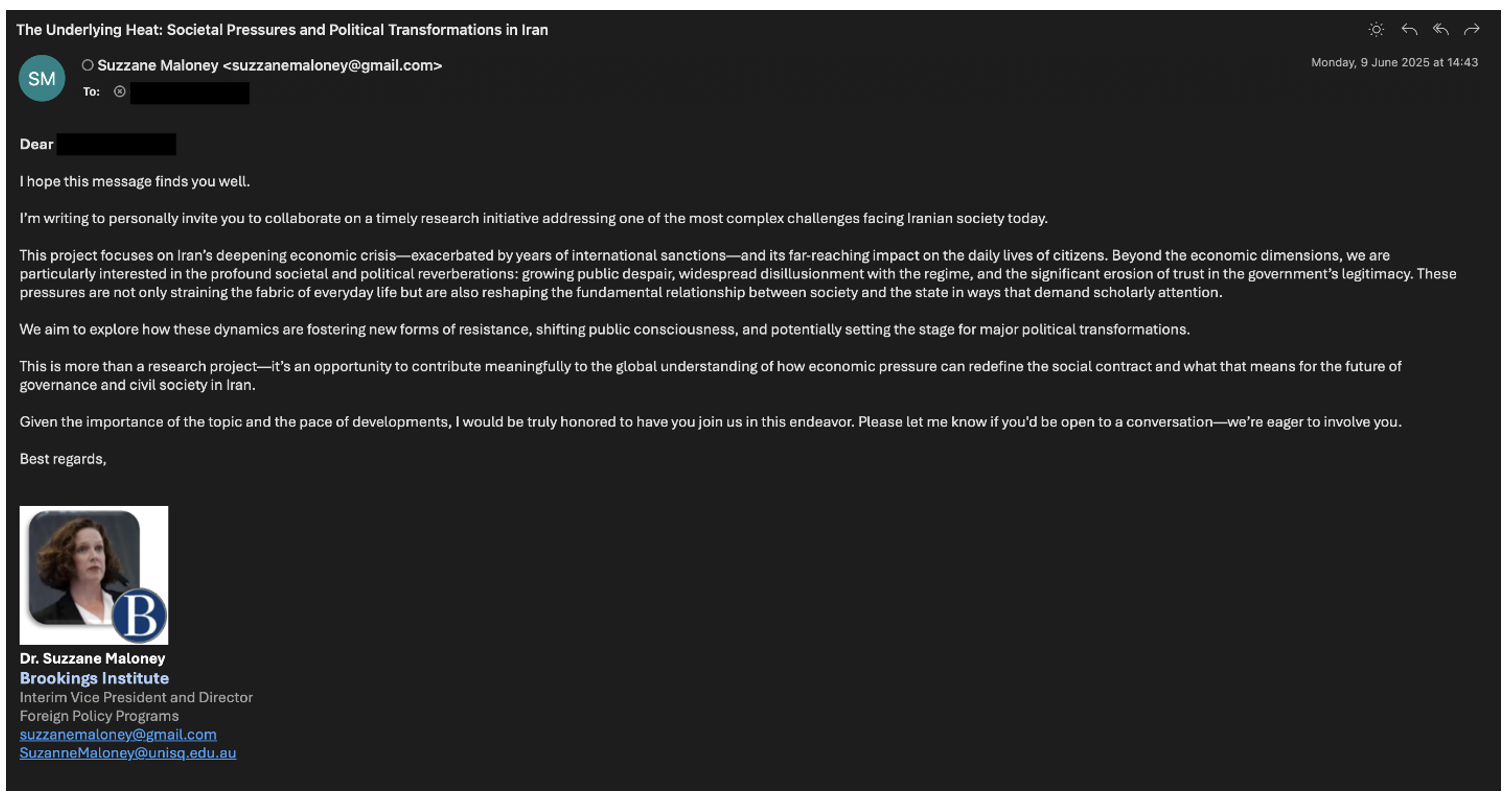
Figure 2. UNK_SmudgedSerpent initial approach.
Following a response, the Suzzane Maloney persona was more cautious than Proofpoint has observed in past interactions with TA453. The attacker insisted on verifying the identity of the target and authenticity of the email address before proceeding with any collaboration attempts.
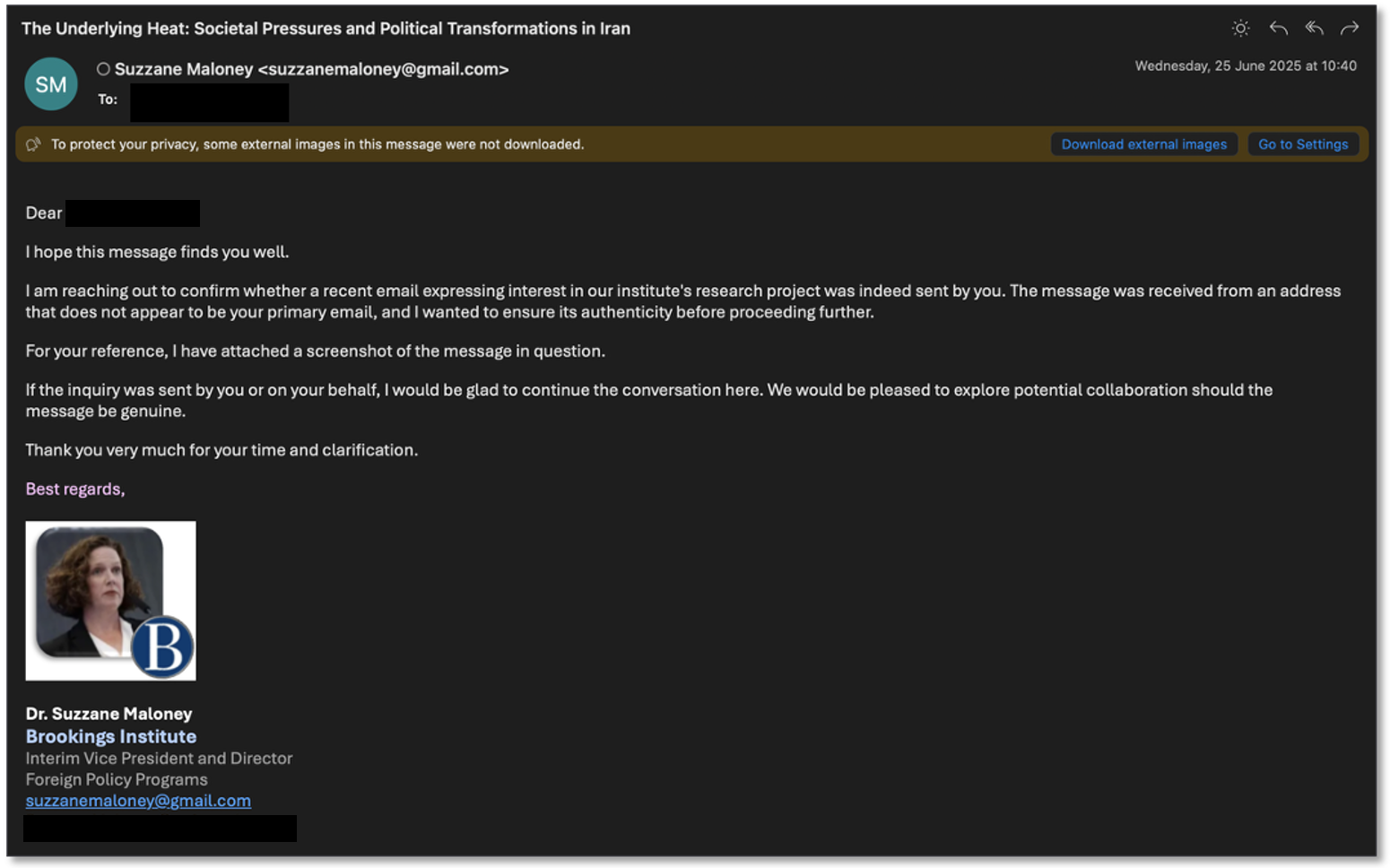
Figure 3. UNK_SmudgedSerpent follow-up email.
As the engagement continued, the persona sent an appointed time for a meeting, using Israel time as a point of reference though the target was based in the US. At the delivery stage, the actor began to deviate from TA453’s typical TTPs and sent a link appearing to be an OnlyOffice URL belonging to “Suzzane Maloney” (again spelled incorrectly) with documents relevant to the upcoming meeting.
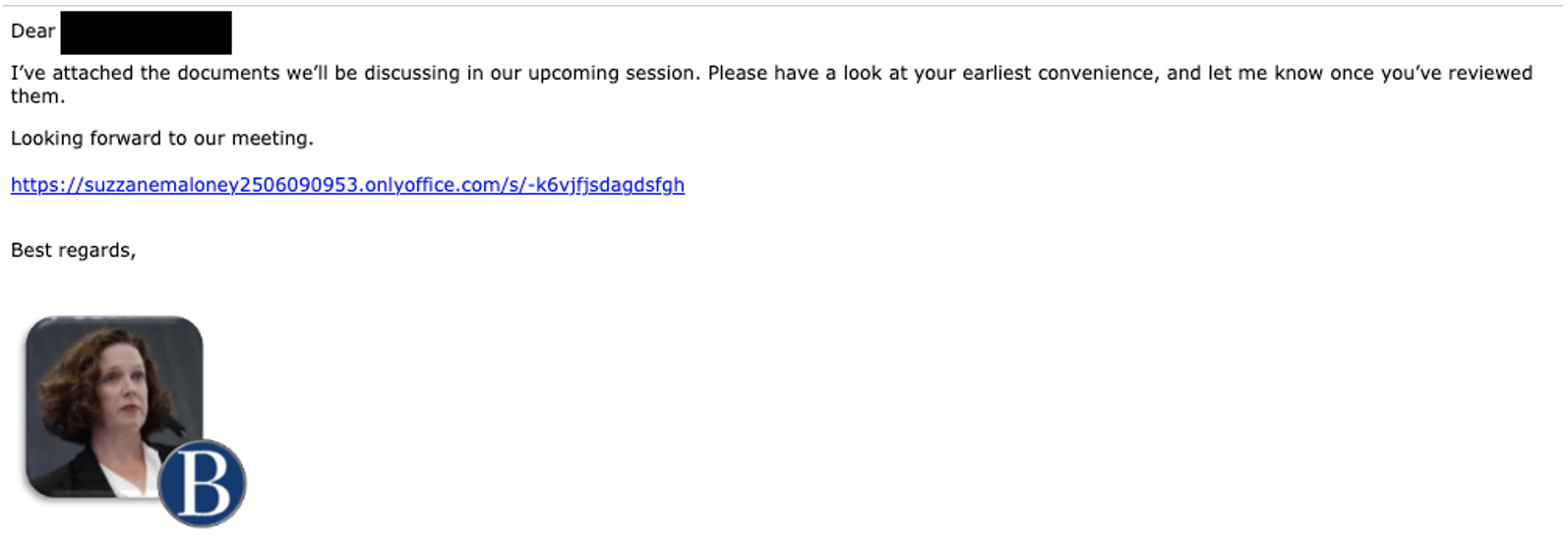
Figure 4. UNK_SmudgedSerpent URL delivery.
Transition to TA455
The URL was only masquerading as an OnlyOffice link in the email but instead hyperlinked to a health-themed attacker domain thebesthomehealth[.]com, which redirected to a second health-themed attacker domain mosaichealthsolutions[.]com that displayed a Microsoft 365 login page. The URL hosted a customized credential harvesting page with the user’s information pre-loaded.
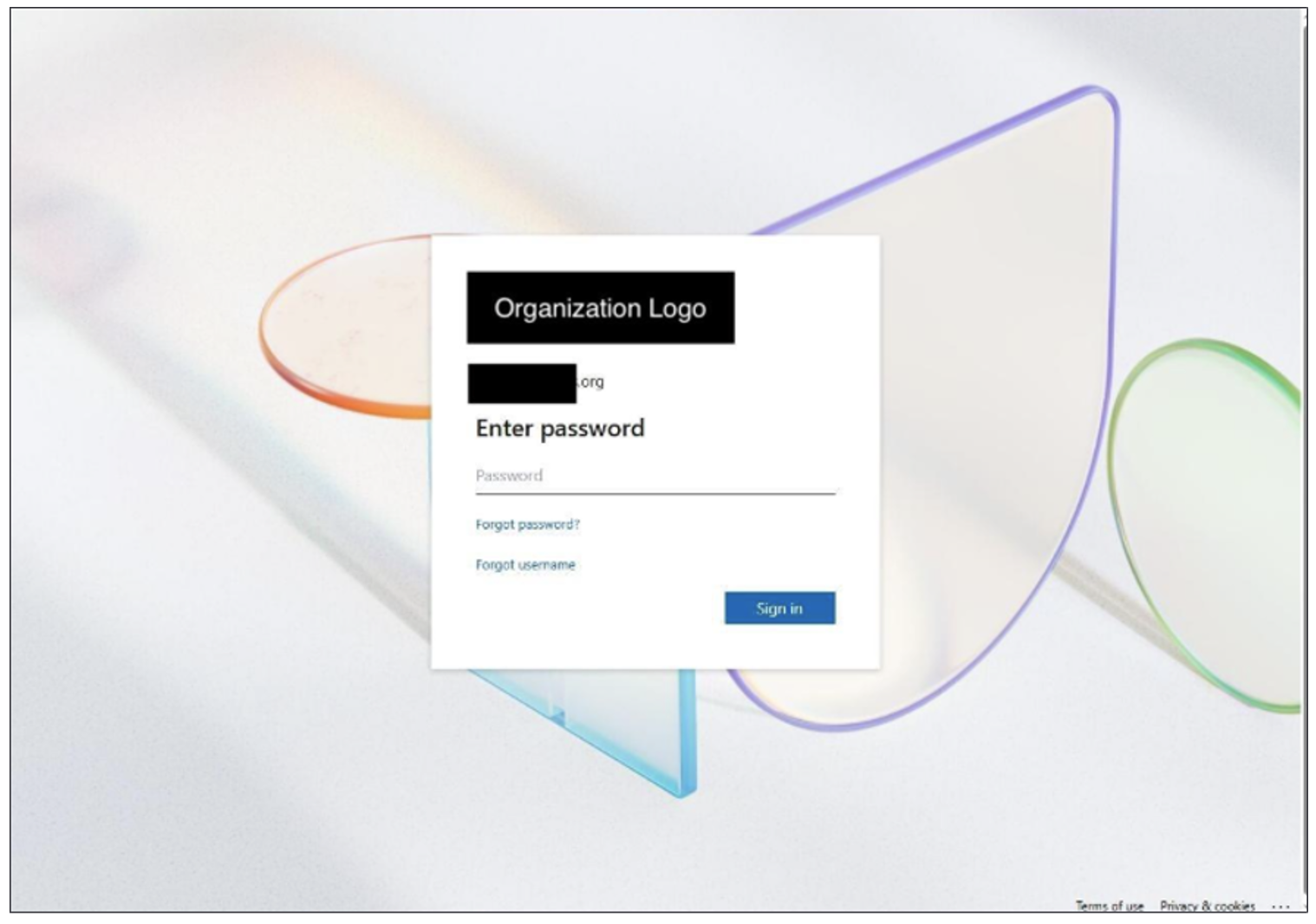
Figure 5. Customized Microsoft credential harvesting page.
DELIVERY VARIATION
Another version of this infection chain can be found on VirusTotal, where both domains were similarly used in a Microsoft-related redirection chain. hxxps://thebesthomehealth[.]com/[redacted15characterstring] masqueraded as a Microsoft Teams login before redirecting to the mosaichealthsolutions[.]com domain.

Figure 6. Microsoft Teams meeting spoof (VirusTotal).
However, the next stages following clicking the “Join Now” button are unclear at the time of writing.
TA455 continued
In Proofpoint’s investigation, after the target communicated suspicions about the credential harvesting page, UNK_SmudgedSerpent removed the password requirement on the initial thebesthomehealth[.]com URL. The link then proceeded to a spoofed OnlyOffice login page.
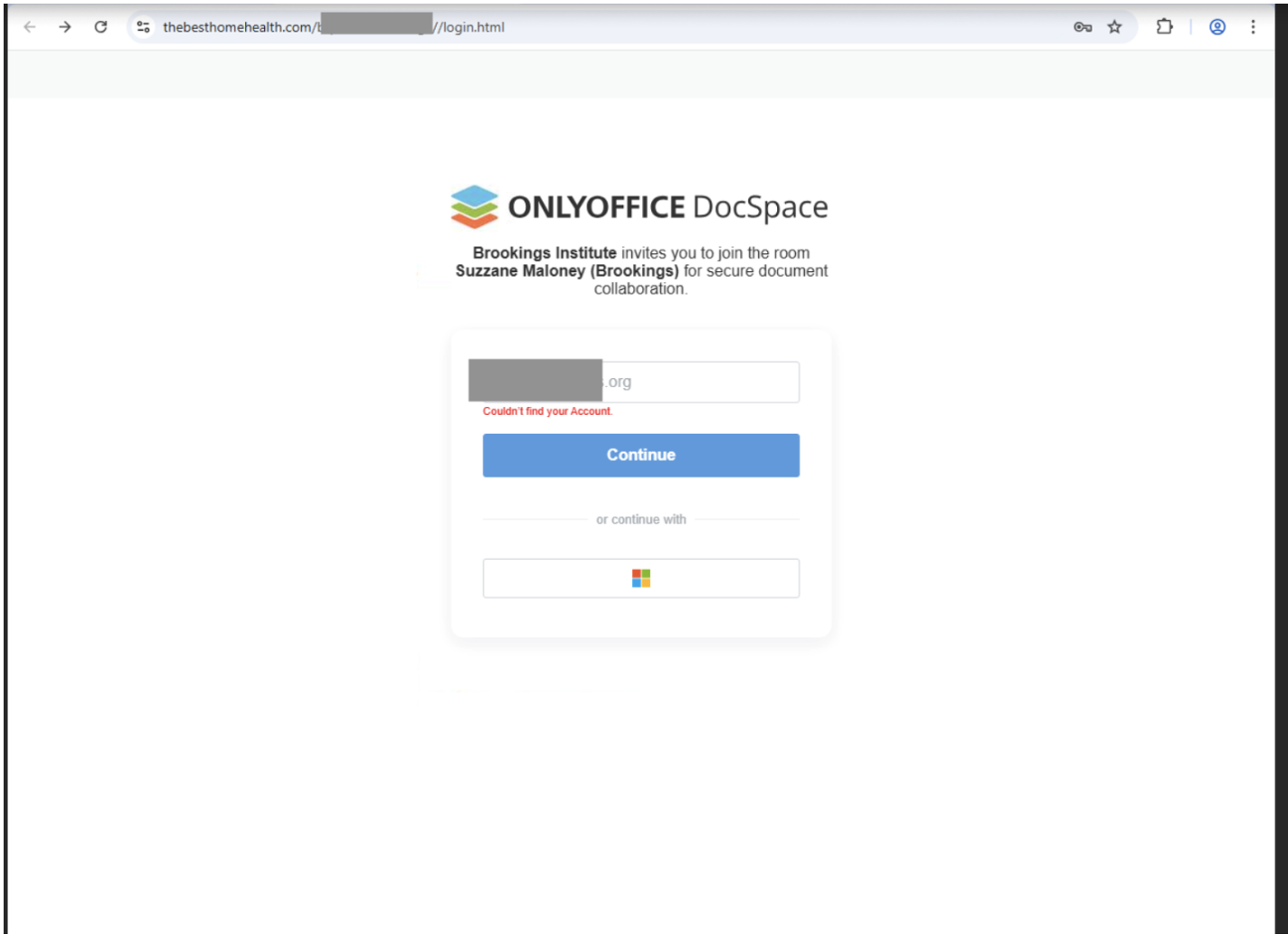
Figure 7. UNK_SmudgedSerpent OnlyOffice login spoof.
Clicking on “Continue” or login loads another page also hosted on thebesthomehealth[.]com, which continues to resemble OnlyOffice and hosted two PDFs, an Excel document, and a ZIP archive.

Figure 8. Files hosted on thebesthomehealth[.]com.
UNK_SmudgedSerpent’s reference to OnlyOffice URLs and health-themed domains is reminiscent of TA455 activity. TA455 began registering health-related domains at least since October 2024 following a consistent stream of domains with aerospace interest, with OnlyOffice becoming popular to host files more recently in June 2025, as shown by the timeline below.
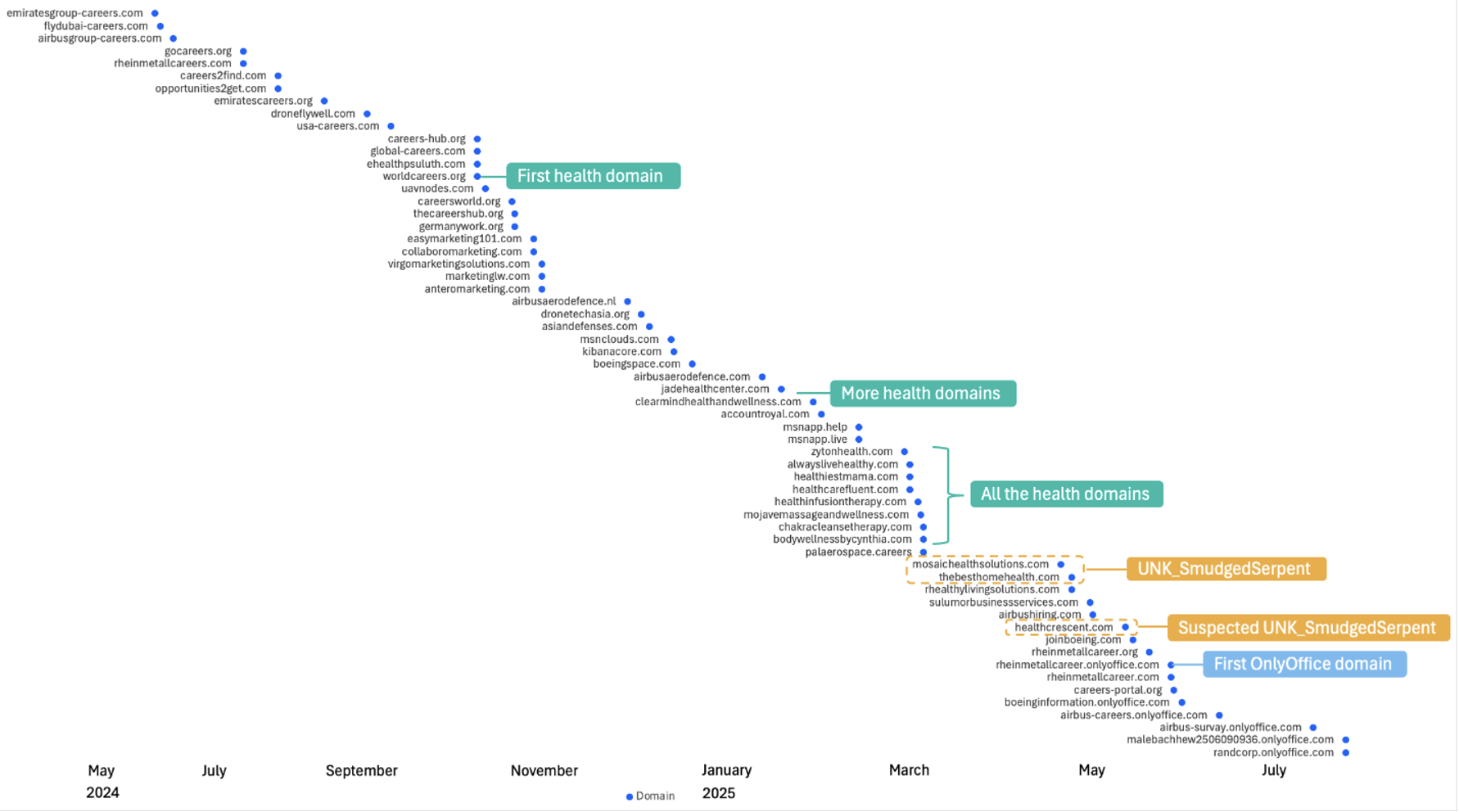
Figure 9. TA455 Domain Registration / First Seen Timeline (May 2024 – July 2025).
UNK_SmudgedSerpent domains began appearing in April 2025, several weeks before the first campaign was observed in June.
Completing the chain with TA450
Upon execution, UNK_SmudgedSerpent’s ZIP archive loaded an MSI file, which launched the PDQConnect Remote Monitoring & Management (RMM) software. The rest of the documents appeared to be decoys.
During our research, Threat Research observed UNK_SmudgedSerpent engaging in suspected hands-on-keyboard activity where the attackers leveraged PDQConnect to install additional RMM software, ISL Online.
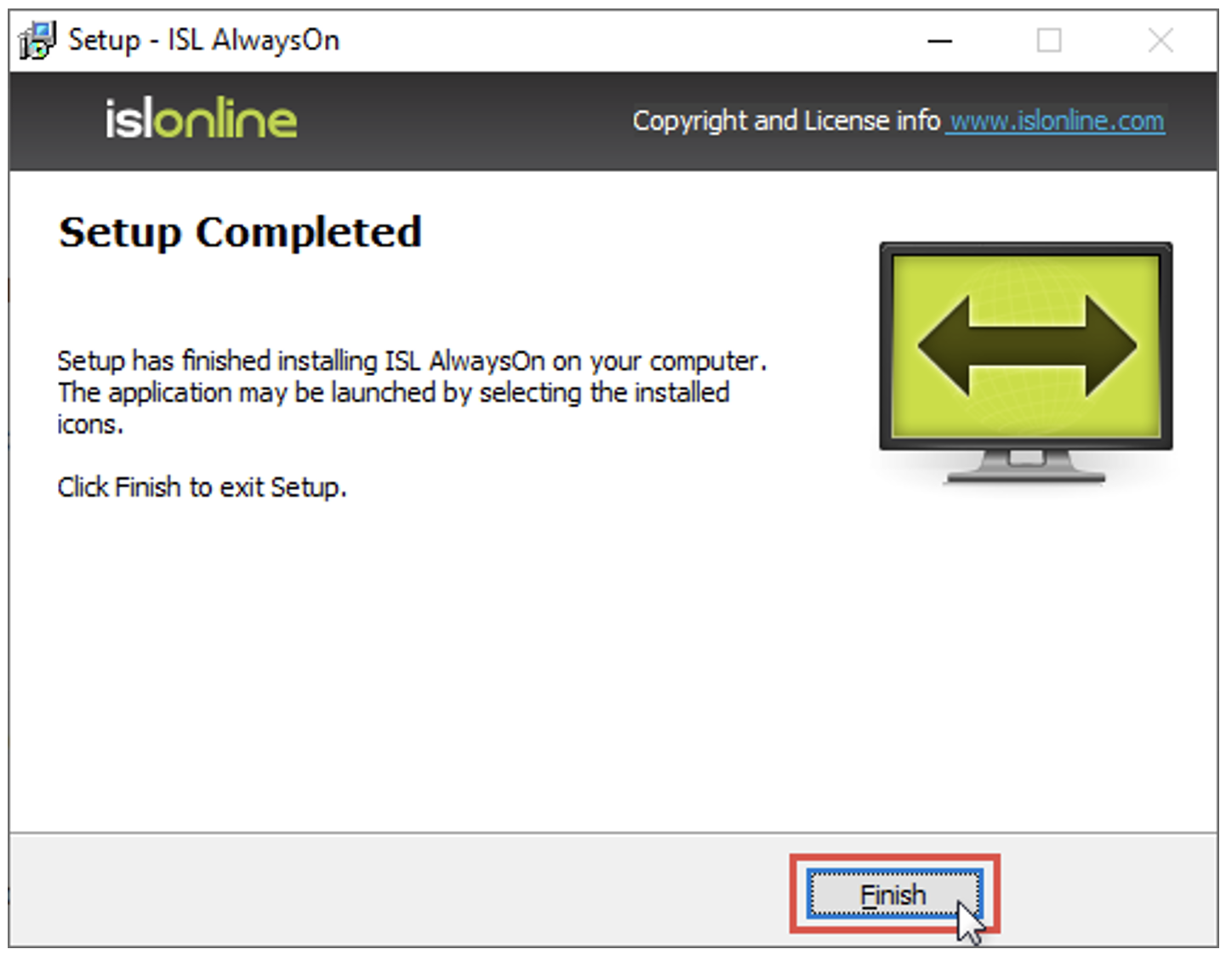
Figure 10. ISL Online RMM pop-up.
The reason for the attackers’ sequential deployment of two distinct RMM tools remains unclear. It is possible UNK_SmudgedSerpent may have deployed RMM software as a throwaway option after the credential harvesting attempt didn’t succeed, and the threat actor became suspicious of Proofpoint’s investigation. However, neither hypothesis can be confirmed at the time of writing.
While the use of RMMs is a generic technique abusing common legitimate tools, it is rare to see them associated with state-sponsored actors and have been documented in use by only one Iranian actor, in TA450 campaigns over the last several years.
Follow-on activity
Before the email exchange discussed ended on 26 June, Proofpoint identified an additional Gmail account on 23 June spoofing Dr. Maloney (with her name spelled correctly) – suzannemaloney68@gmail[.]com – targeting a US-based academic that appeared to be Israeli. In this lure, UNK_SmudgedSerpent asked for assistance investigating the IRGC.
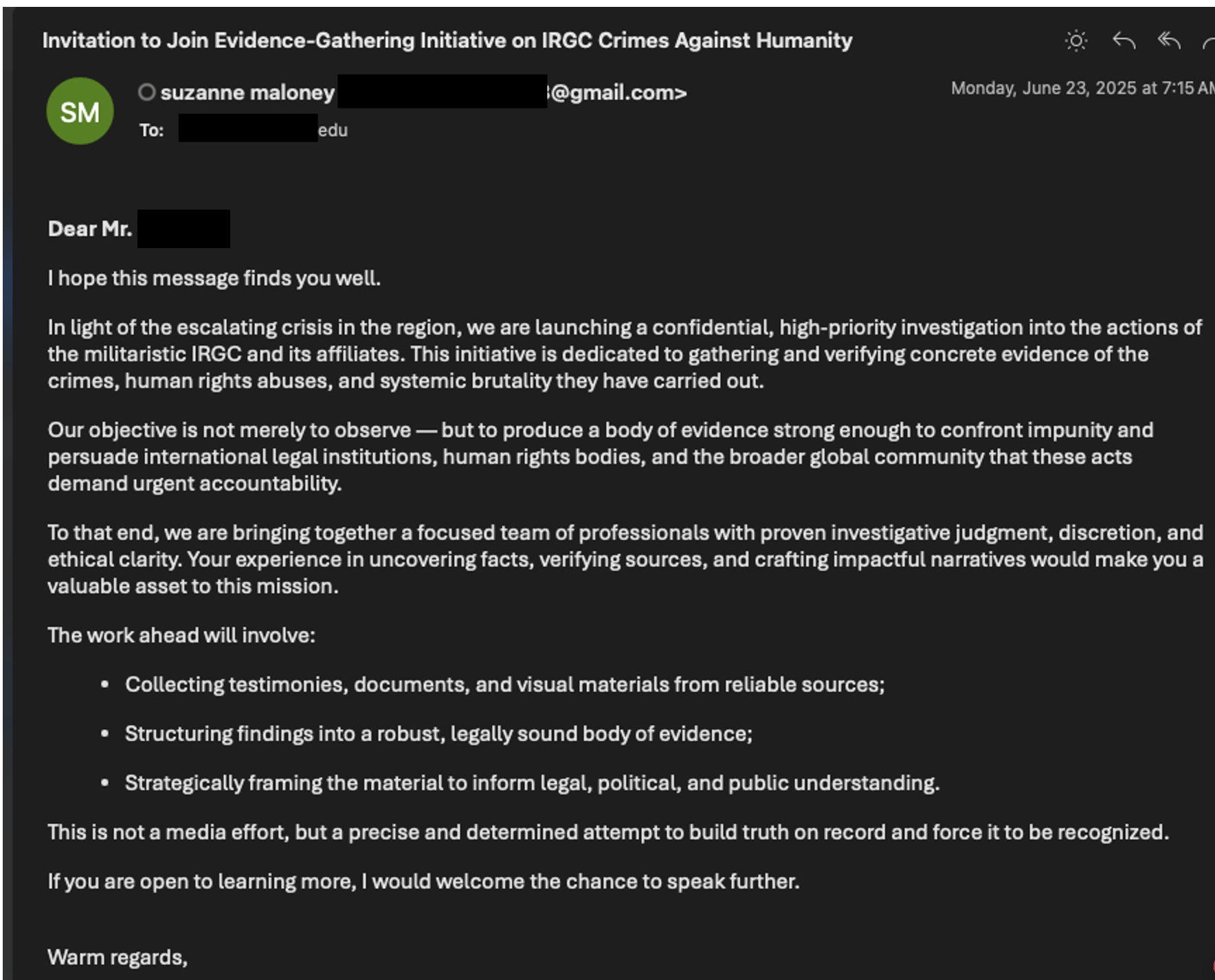
Figure 11. Second UNK_SmudgedSerpent phishing email.
A different persona, one spoofing Patrick Clawson – a Director at the Washington Institute – used the exact same content one week later to target the same academic using patrickclawson51@gmail[.]com.
In early August 2025, UNK_SmudgedSerpent surfaced again, this time soliciting information and collaboration on Iran’s efforts in Latin America. The phishing email originated from another spoof of Patrick Clawson, this time using an Outlook email address: patrick.clawson51@outlook[.]com. However, the email in the signature did not match and included both potentially legitimate emails and patrickclawson51@gmail[.]com, which was the previously used spoofed email.
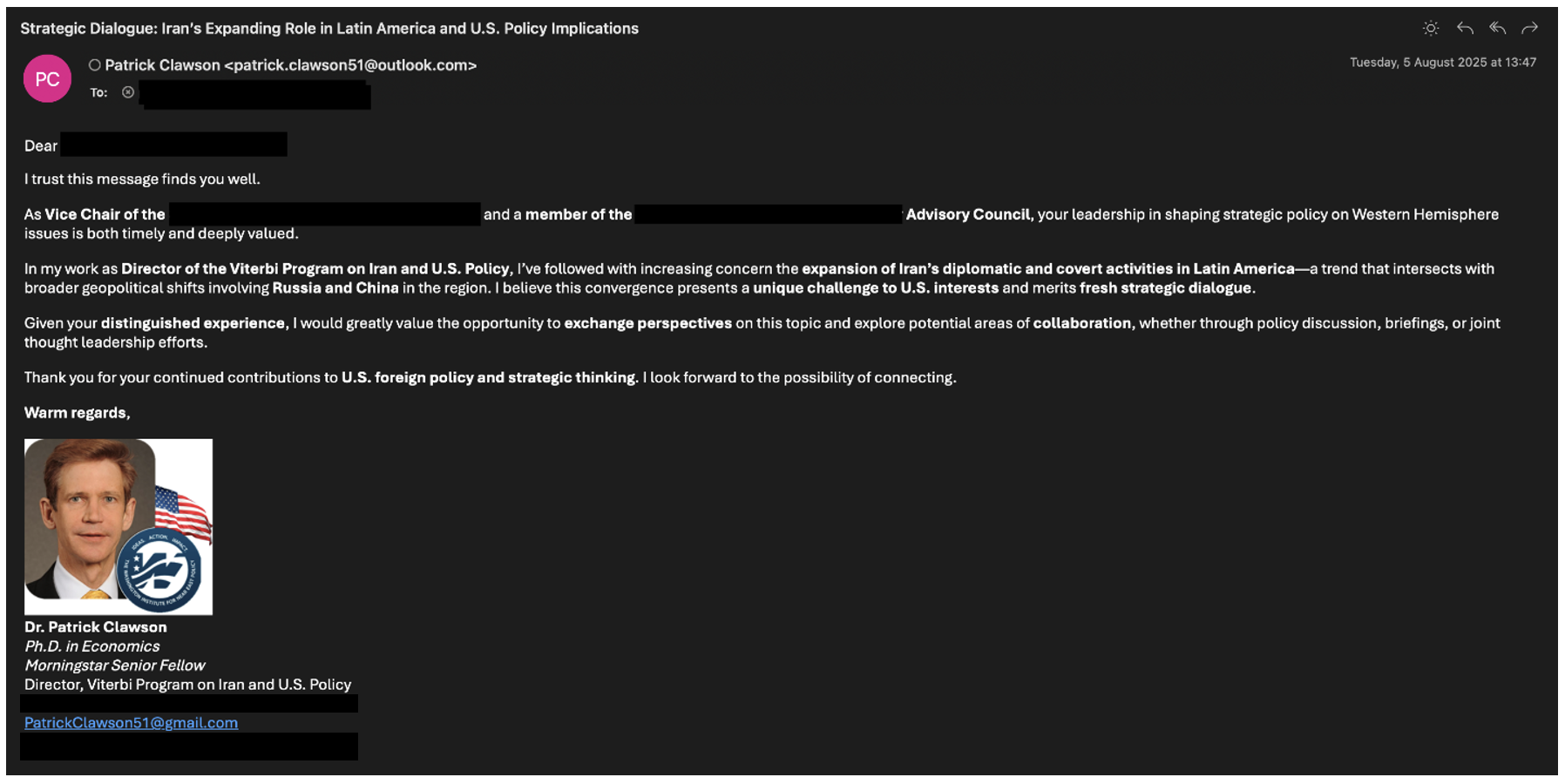
Figure 12. UNK_SmudgedSerpent Patrick Clawson Spoof #2.
The timeline below shows the campaigns and cadence of UNK_SmudgedSerpent activity, which appears to be topical and sporadic. After the initial approach that targeted over 20 individuals, Proofpoint data showed the actor focused only on solitary targets in further campaigns.
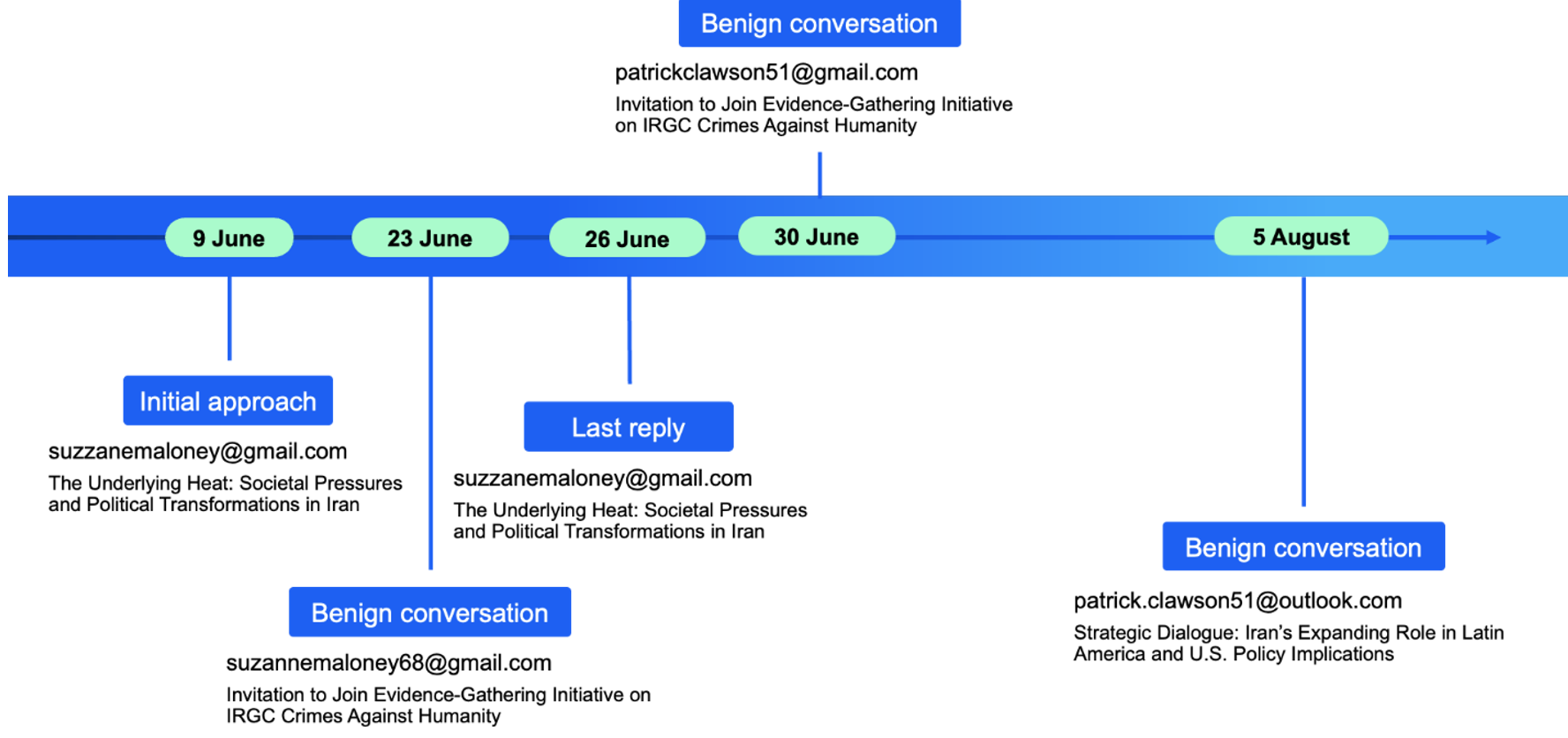
Figure 13. UNK_SmudgedSerpent phishing activity timeline.
Since early August, no further activity has been observed from this actor.
Infrastructure
Investigating suspected UNK_SmudgedSerpent infrastructure, such as healthcrescent[.]com, surfaced additional activity that further complicates UNK_SmudgedSerpent’s relationship and overlaps with TA455.
healthcrescent[.]com shares server configuration similarities with a set of domains, including ebixcareers[.]com, that displays a fake Teams portal. The career-themed domain and Teams spoof are both reminiscent of previous TA455 activity.
Figure 14. Fake Teams portal landing page.
Related URLs resembled previously seen activity from TA453, using “meeting” themes. hxxps://interview.ebixcareers[.]com/teams/join-online-room-homv-patm-elro/ fetched a payload from the following OnlyOffice URL:
hxxps://docspace-mpv1y2.onlyoffice[.]com/rooms/share?key=ZXVSTEhNKzM3NHBIeHg3R3M4cnBRcDFDUnk0b[…]0_Ijg4YzkzZTRhLWNmYzktNGJkMy1iYzYyLWY2NWY0OTczNTBlZCI
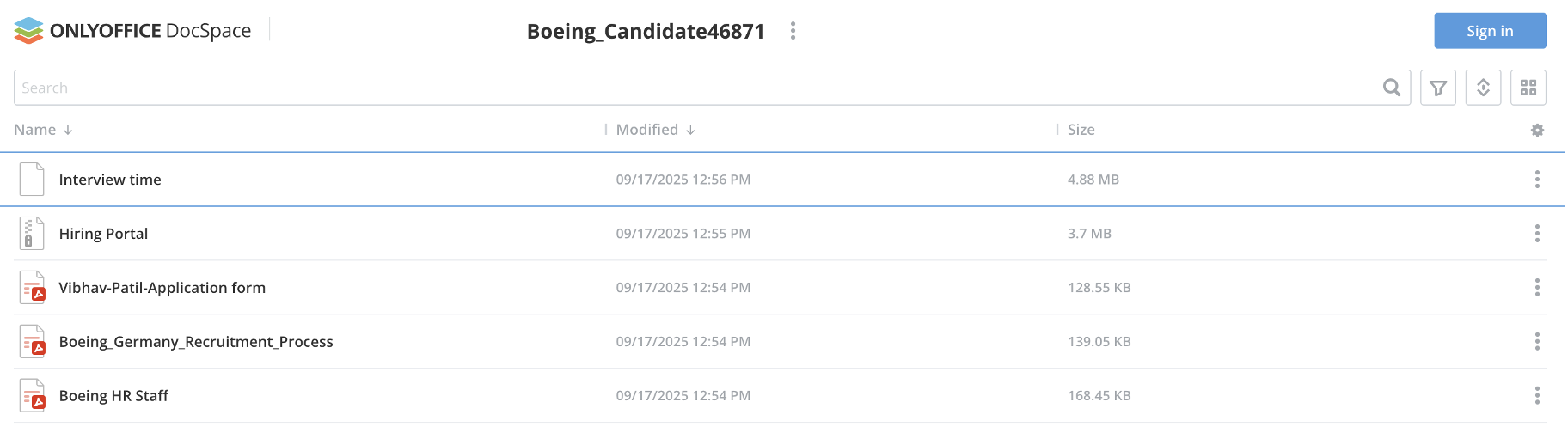
Figure 15. Files Hosted on OnlyOffice URL.
Files hosted on this page in mid-September included benign recruitment-related PDFs for Boeing, a traditional aspect of TA455’s operations involving both aerospace and career-themed interests.

Figure 16. Benign PDFs.
Hiring Portal.zip contained two DLLs and an executable; the legitimate EXE sideloads userenv.dlland through another legitimate EXE, sideloads xmllite.exe. userenv.dll is a TA455 custom backdoor termed MiniJunk in public reporting, a version of previously reported malware called MiniBike. While the infrastructure likely aligns with UNK_SmudgedSerpent, it remains unclear why it is simultaneously hosting TA455 custom malware.
The final file hosted on the OnlyOffice URL was Interview time.msi, a loader responsible for installing the RMM tool PDQConnect, seen deployed in both UNK_SmudgedSerpent and TA450 activity, though not previously seen associated with TA455.
The exploration of infrastructure and operations connected to UNK_SmudgedSerpent activity further blurs the lines of attribution and the nature of the relationship to TA455.
Attribution
Proofpoint Threat Research is currently tracking this activity separately as a new threat actor – UNK_SmudgedSerpent – and clustered distinctly from TA453, TA455, and TA450. While there are several overlaps with established threat actors in various stages of the infection chain, which are shown below, they remain tenuous in some cases without high confidence links.
| TTP | UNK_SmudgedSerpent | TA453 | TA455 | TA450 |
| Sender emails | Freemail (Outlook, Gmail) | Freemail (Outlook, Gmail, ProtonMail, Yahoo) | Attacker-owned domains | Compromised corporate accounts |
| Initial approach | Benign conversation | Benign conversation | Malicious recruitment applications | Malicious event invitations |
| Targeting | Policy experts, thinktanks | Policy experts, thinktanks | Aerospace and defense, transportation/logistics, technology | Government, telecommunications, transportation |
| Delivery | OnlyOffice spoof, Teams spoof | Teams spoof, Scalingo, OneDrive | OnlyOffice | Mega.nz, FliQR |
| Objective | Credential theft, malware delivery | Credential theft, malware delivery | Malware delivery | Malware delivery |
| Domain themes | Health and recruitment, organization spoofs | Organization, meeting, Google, Microsoft, and technology spoofs | Health, aerospace, and recruitment | Technology, other |
| Infrastructure | Cloudflare, Namecheap | Hetzner, OVH, RouterHosting, Namecheap | Cloudflare, Namecheap | NordVPN, Cloudflare Namecheap |
| Malware | RMM (PDQConnect) | PowerShell backdoors (occasional) | Custom backdoors (MiniJunk, MINIBIKE, MINIBUS) | RMMs, custom PowerShell and .NET backdoors (Phoenix) |
Given the dynamic nature of the Iranian ecosystem and its heavy use of contracting companies, there are often instances where groups, activity, malware, and infrastructure intersect. We hypothesize there are several possibilities for the group’s convergence of TTPs with varying degrees of likelihood, which include:
- Centralized procurement: a shared resource that registers and distributes infrastructure or a shared malware developer.
- Personnel mobility: one group dissolves, and another absorbs team members, or groups merge based on new requirements or shared remits.
- Interpersonal relationships: individual members of the same team have TTP preferences, and operators share their preferred techniques with one another.
- Parallel contractor deployment: the parent/sponsoring agency tasks more than one contracting company to a particular threat group or campaign.
- Institutional collaboration: cross-agency exchanges between IRGC and MOIS at an organizational level due to the groups’ affiliations with differing agencies.
Conclusion
UNK_SmudgedSerpent’s first observed campaign was in June 2025, after which the group was seen a few times targeting policy experts in the US using lures about internal political developments in Iran. The subsequent investigation revealed multiple overlaps in TTPs with TA453, TA450, and TA455. However, the abundance of links prevents high confidence attribution to any one of these groups.
While UNK_SmudgedSerpent has not been observed in email campaigns since August 2025, related activity likely remains ongoing. The appearance of a new actor with borrowed techniques suggests there may be personnel mobility or exchange between teams, but with a consistent remit; however, there is no confirmed attribution for UNK_SmudgedSerpent at the time of writing. The TTPs and infrastructure are an extension of previously observed behavior from Iranian threat groups, and the targeting of Iran foreign policy experts continues to reflect the Iranian government’s intelligence collection priorities.